foxnews
Achieving financial independence is rarely a matter of luck or inheritance. Instead, it is the result of deliberate choices, disciplined habits, and a strategic roadmap. Wealth building is a marathon, not a sprint, and understanding the core pillars of personal finance is the first step toward lasting security.
Today, many people struggle to bridge the gap between earning a paycheck and actually accumulating assets. However, by focusing on a few fundamental principles, anyone can shift from a cycle of living paycheck-to-paycheck to a life of abundance. Specifically, you must master the art of managing what you have while strategically planning for what you want to earn.
In this comprehensive guide, we will explore the essential components of a robust financial plan. From building a safety net to leveraging passive income, these strategies are designed to help you navigate the complexities of modern finance. Consequently, you will be better equipped to make informed decisions that serve your future self.
Building an Unshakable Foundation with Emergency Funds
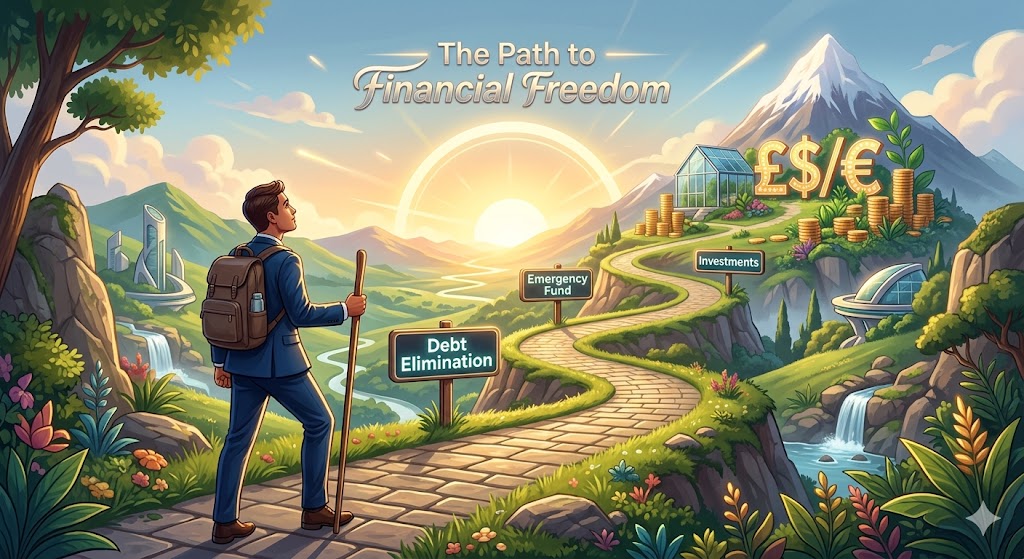
Before you can begin investing in volatile markets, you must secure your immediate surroundings. An emergency fund acts as a financial shock absorber against life’s unpredictable events. To illustrate, unexpected car repairs or medical bills can easily derail a monthly budget if you are unprepared.
Most experts suggest saving at least three to six months of essential living expenses in a highly liquid account. Moreover, this fund should be kept separate from your daily checking account to avoid the temptation of impulse spending. Financial stability begins with the peace of mind that comes from knowing you are covered in a crisis.
In addition to safety, an emergency fund provides the psychological leverage needed to take calculated risks later. When you have a cash cushion, you are less likely to make panicked decisions during a market downturn. Consequently, your long-term investment strategy remains intact despite short-term economic fluctuations.
Eliminating the Debt Trap Through Strategic Management
Not all debt is created equal, but high-interest consumer debt is the primary enemy of wealth creation. Specifically, credit card balances with double-digit interest rates can accumulate faster than most investments can grow. Therefore, prioritizing debt management is a non-negotiable step in your journey.
To tackle your liabilities effectively, consider the following strategies:
- The Debt Snowball: Pay off the smallest balances first to build psychological momentum and quick wins.
- The Debt Avalanche: Target loans with the highest interest rates first to minimize the total interest paid over time.
- Consolidation: Move high-interest debt to lower-interest personal loans or balance transfer cards if your credit score allows.
- Budget Realignment: Audit your monthly subscriptions and discretionary spending to redirect more cash toward principal payments.
Furthermore, it is vital to distinguish between “bad debt” and “good debt.” While credit cards are often detrimental, low-interest mortgages or student loans can sometimes be used as leverage for long-term growth. However, the ultimate goal should always be to maintain a low debt-to-income ratio to maximize your investable surplus.
Unlocking Growth Through Passive Income Streams
Once your foundation is secure and your debt is under control, you must put your money to work. Wealth is rarely built by trading time for money alone; it requires the creation of passive income. This involves investing in assets that generate cash flow or appreciate in value without requiring your constant active presence.
Diversification is the key to a resilient portfolio. For instance, you might consider dividend-paying stocks, real estate rental properties, or even digital assets like e-books and online courses. Each of these streams provides a different level of risk and potential reward, allowing you to balance your financial profile.
In addition to traditional assets, index funds and ETFs offer a low-cost way to participate in the growth of the broader market. Consequently, these vehicles allow you to benefit from the power of compound interest over decades. Over time, the reinvested earnings can grow exponentially, eventually surpassing your primary income source.
The Power of Consistency and the Long-Term Mindset
Ultimately, the most significant factor in wealth building is not how much you earn, but how much you keep and invest consistently. Many individuals fail because they lose patience or attempt to time the market. Conversely, those who stay the course and automate their savings often see the greatest results.
Specifically, automation removes the emotional burden of making a choice every month. By setting up automatic transfers to your brokerage or retirement accounts, you ensure that wealth accumulation becomes a background process. This habit ensures that you pay yourself first before any other expenses arise.
To conclude, personal finance is 80% behavior and only 20% head knowledge. While the math of investing is relatively simple, the discipline to stick to a plan is where the true challenge lies. However, by focusing on emergency funds, debt reduction, and passive income, you are building a legacy of financial freedom that will last for generations.